Lies We Don’t Have To Tell
Dr. Rick Petronella
Understanding the Roots of Deception in Relationships
In the intricate world of relationships, lies often indicate deeper emotional struggles rather than mere dishonesty. It’s vital to recognize that when someone chooses to lie, it’s frequently rooted in feelings of shame, fear, or a natural instinct to protect themselves. Understanding this can open the door to greater compassion, patience, and support for others as they navigate their inner worlds.

The Many Faces of Lies
Dr. Brené Brown, a well-respected researcher on shame, points out that “Shame thrives in secrecy and silence.” This meaningful quote highlights how shame can often play a big role in deception. When someone feels they aren’t good enough, they might create a false story to safeguard their delicate self-esteem. For example, they might think, “If she finds out I’m not doing well, she’ll see me as a failure.” These kinds of thoughts reflect the common internal battles many experience, often rooted in childhood when approval was conditional or when high family expectations existed.
When individuals lie to avoid rejection, it highlights an acute vulnerability. The fear of abandonment can loom large, prompting thoughts like, “If I tell the truth, she may leave.” This is particularly the case when attachment security is low. Rather than risk conflict, a safer narrative is concocted.

Cultivating Empathy through Understanding
Conflict avoidance and emotional immaturity can make relationships more challenging. Sometimes, people might choose dishonesty not because they mean to hurt, but because they haven’t learned how to handle tough conversations. Perhaps they grew up in families where problems were brushed aside or ignored, making it harder for them to face the truth as adults.
Cultural factors can intensify these pressures, such as when individuals from immigrant backgrounds feel increased expectations around success and financial stability. The desire to “honor the family” might lead them to put on a certain image that doesn’t fully match their actual experiences, which can sometimes result in secrets about their employment or financial situation.
Moreover, societal norms and family dynamics can foster learned patterns of deception. In environments where truth is dangerous or mistakes are harshly punished, individuals may learn to deceive as a survival mechanism.

The Deeper Implications of Lying
Yet, even habitual lying can be understood as a defense mechanism rather than mere deceitfulness. It often signifies deeper emotional conflicts—fear of inadequacy, discomfort with disappointment, and struggles with self-worth. Experts point out that the ongoing practice of deception frequently reflects a lack of relational honesty skills rather than pathological behavior.

As noted by psychologist Dr. John Gottman, “It’s not the bad things that happen that impact a relationship; it’s how we respond to them.” This response to deception can open avenues for growth and healing if both parties are willing to engage in honest dialogue.
For example, exploratory questions like “What felt hard about telling the truth?” or “What were you afraid would happen if I knew?” can facilitate an atmosphere of understanding rather than accusation. These questions invite vulnerability, fostering the possibility of healing through honest communication.
A Path Forward: Recognizing Signs of Change
When deception surfaces in relationships, it’s crucial to assess the underlying motives and responses. More hopeful signs include genuine remorse when confronted, acceptance of responsibility, and a willingness to be transparent. In contrast, concerning signs may include an inability to accept accountability or a tendency to manipulate the narrative.
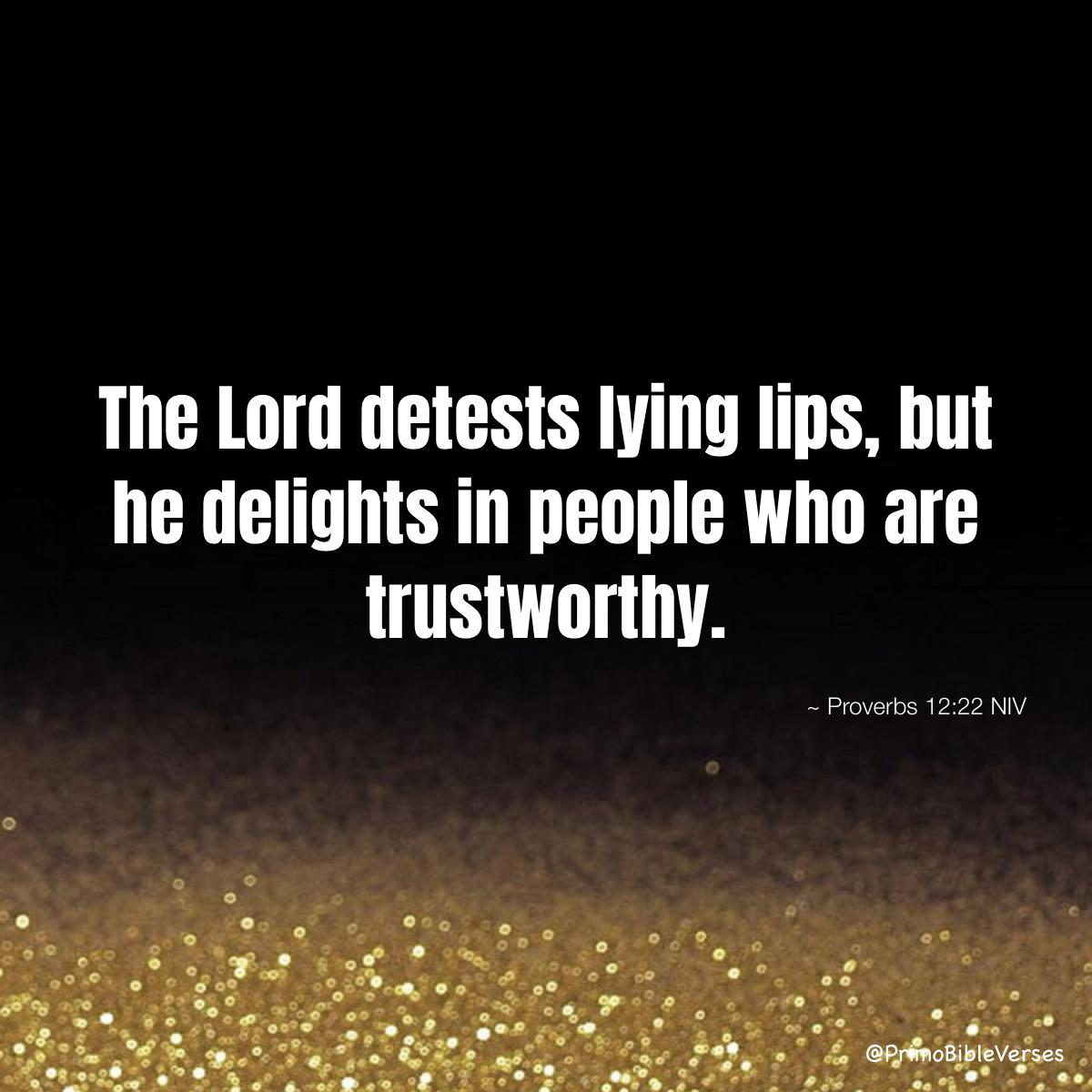
In the context of relationships, the biblical verse from Proverbs 12:22 rings particularly true: “The Lord detests lying lips, but he delights in people who are trustworthy.” This emphasizes the value of integrity, yet it is important to approach dishonesty with compassion, recognizing that these behaviors often stem from fear and a desire for protection rather than a desire to harm.
Conclusion: Embracing the Journey of Truth
Ultimately, understanding the motivations behind deception is crucial for fostering healthier relationships. People rarely lie to deceive for the sake of it; more often, they are guarding themselves against shame, relational loss, or a fear of inadequacy. By empathizing with these underlying struggles, we can navigate the complexities of our relationships with grace and understanding, paving the way for deeper connections built on trust and authenticity.
As individuals embark on this journey towards honesty, they may find that the journey itself, filled with understanding and compassion, leads not only to healing but also to a newfound freedom in being truly seen and accepted.
True or False Quiz on “Lies We Don’t Have to Tell: Understanding the Roots of Deception in Relationships”
This quiz is a great way to help you explore the subtle aspects of dishonesty in relationships and to encourage some thoughtful reflection on your own actions and reactions. It’s a wonderful chance for personal growth and building empathy. Have fun!
Quiz
1. True or False: Lies indicate a lack of honesty in relationships.
2. True or False: According to Dr. Brené Brown, shame thrives in secrecy and silence.
3. True or False: Childhood experiences have no impact on an individual’s tendency to lie.
4. True or False: People may lie to avoid rejection due to feelings of vulnerability.
5. True or False: Emotional immaturity has no correlation with dishonesty in relationships.
6. True or False: Individuals from immigrant backgrounds may feel heightened expectations regarding success and stability.
7. True or False: Lies are always indicative of malicious intent.
8. True or False: According to Dr. John Gottman, how people respond to negative events has little effect on relationships.
9. True or False: The act of lying can sometimes stem from a learned behavior developed during childhood.
10. True or False Genuine remorse is a positive sign when addressing deception in relationships.
11. True or False: Proverbs 12:22 suggests that dishonesty is more acceptable than honesty in relationships.
12. True or False: Understanding the motivations behind lies is important for fostering healthier connections.
13. True or False: People lie solely to manipulate others and achieve their own goals.
14. True or False: Cultivating empathy can help individuals address and heal from experiences of deceit.
15. True or False: Honest communication can create an atmosphere conducive to healing in relationships.
Answer Sheet with Explanations:
1. False: While lies do involve dishonesty, they often reflect deeper emotional struggles that require understanding.
2. True: Dr. Brené Brown highlights that secrecy contributes to feelings of shame, which can often drive individuals to deceive.
3. False: Childhood experiences can significantly shape an individual’s perception of truth and their propensity to lie, especially if approval was conditional.
4. True Vulnerability often leads individuals to lie in order to protect themselves from the fear of rejection or abandonment.
5. False: emotional immaturity can significantly affect how people handle tough conversations, sometimes causing them to be dishonest. When someone is emotionally mature, they tend to approach these discussions with honesty and understanding, making the process smoother for everyone involved.
6. True: Immigrant individuals might sometimes feel extra pressure to preserve their family’s honor. This feeling can lead to engaging in dishonest behaviors just to keep up a certain image.
7. False: Lies may not stem from malicious intent but rather from a desire to protect oneself from perceived threats.
8. False: Dr. Gottman emphasizes the importance of responsive behavior, indicating that reactions to negative events significantly influence relational dynamics.
9. True: Patterns of deception can be learned in childhood, especially in environments where honesty is not modeled or encouraged.
10. True: Genuine remorse when faced with deception is a hopeful sign that indicates a willingness to change and be transparent.
11. False: Proverbs 12:22 emphasizes the value of trustworthiness over deception, indicating that honesty is preferred.
12. True: Understanding why individuals lie is essential for building healthier relationships and addressing underlying emotional issues.
13. False: People usually lie to protect their self-esteem or avoid discomfort, rather than to intentionally manipulate others.
14. True: Empathizing with those who deceive can facilitate understanding and healing, leading to stronger relationships.
15. True: Honest communication encourages vulnerability and understanding, creating a safe space for healing and growth.
Understanding the deeper reasons behind dishonesty can really open up opportunities for meaningful conversations. These conversations help build trust and heal wounds, making our connections more genuine and stronger. Remembering that the journey toward truth is valuable brings us closer to accepting ourselves and others, as highlighted throughout the piece. By encouraging open communication and showing compassion, we can cultivate healthy relationships that flourish even when facing challenges related to honesty.