How Free Are We Really?
Dr. Rick Petronella
My hope is that each of you is enjoying these summer days and finding moments to slow down and simply appreciate the blessings of life all around us. It feels like we have already crossed the halfway point of 2026. The Fourth of July and the World Cup are now behind us. The fireworks have faded, the cookouts remain a part of our summer, and many of us have settled back into our daily routines. As I reflected on Independence Day this year, however, I found myself thinking less about our nation’s freedom and much more about our own.
One question continued to surface in my heart:
How free are we really?
Living in America gives us tremendous freedoms, and for that I am incredibly grateful. Yet every week I sit with people who have every external freedom imaginable, but internally they feel trapped. They are successful, capable, loving people, yet many quietly carry burdens that have become emotional prisons. Some are held captive by anxiety, others by fear or shame. Some wrestle with disappointment, grief, perfectionism, or the exhausting pressure of trying to be enough for everyone around them. Others find themselves unable to let go of old wounds or forgive someone who deeply hurt them.
It reminds me that true freedom is not determined by where we live or what we possess. It is determined by what holds our hearts.
The older I get, the more I realize that freedom is not simply the absence of problems. Freedom is the presence of God in the middle of them.
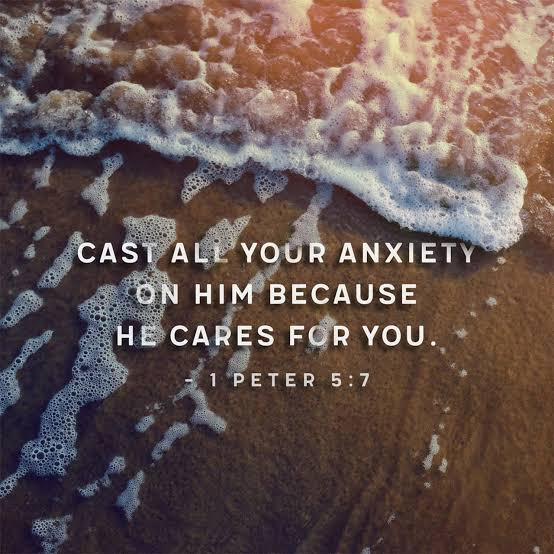
Peter reminds us, “Cast all your anxiety on Him because He cares for you” (1 Peter 5:7). I appreciate that verse because it reminds me that God never asked us to carry our fears by ourselves. He simply asks us to bring them to Him.
As a counselor, I have the privilege of watching God quietly transform people’s lives. Rarely does healing happen all at once. More often it comes through small moments of faithfulness. A husband choosing humility over defensiveness. A wife extending forgiveness after years of hurt. A young adult finally believing they are loved by God instead of defined by their failures. Parents releasing their grip on circumstances they cannot control and entrusting their children to the Lord.
Those moments may seem small, but they are often where freedom begins.
The world tells us that freedom comes from getting everything we want. Scripture teaches something entirely different. Freedom often begins with surrender. That seems backwards until we realize that every time we loosen our grip on fear, control, bitterness, or pride, we make room for God to do what only He can do.
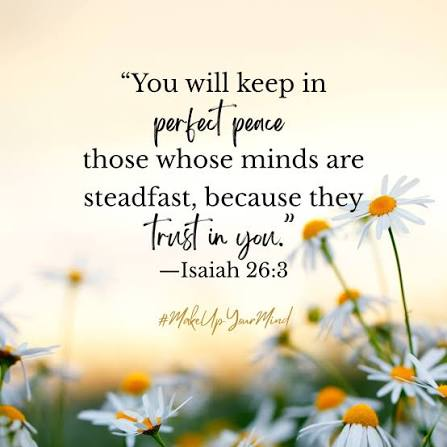
“You will remain in perfect peace those whose minds are steadfast, because they trust in You.” Isaiah 26:3:
Notice that peace isn’t promised because life becomes easier. Peace comes because our minds are fixed on the One who never changes.
I often find myself encouraging clients to pay attention to where their thoughts spend the most time. If our minds constantly replay yesterday’s regrets or tomorrow’s worries, our hearts eventually follow. But when we intentionally return our thoughts to God’s promises, something remarkable begins to happen. Our circumstances may remain exactly the same, but our perspective starts to change.
As we continue through the second half of this year, my hope is not simply that life becomes easier for each of us. While I certainly pray for healing, restored relationships, good health, and answered prayers, I find myself praying even more that we would experience the deeper freedom that only Christ can give.

- A freedom that allows us to sleep peacefully.
- A freedom that enables us to forgive quickly.
- A freedom that gives us courage to face difficult conversations.
- A freedom that helps us release control and trust God’s timing.
- A freedom that allows us to love our families more deeply because we are no longer living out of fear.
Thank you for allowing me the privilege of walking alongside so many of you. Whether we have known each other for years or have only recently met, I consider it an incredible honor to hear your stories, your struggles, your victories, and your healing. I continue to thank God for each of you and pray that His grace will surround you and your family throughout this summer.
With gratitude and prayers,
Dr Rick
Finding Peace in Your Life
QUIZ
A True-or-False Self-Assessment
Instructions: Read each statement carefully. Circle True (T) if the statement generally describes you, or False (F) if it does not. Answer honestly—there are no right or wrong answers. This exercise is intended to help you better understand your current level of inner peace and identify areas that may need attention.
Part One: Self-Assessment
- T / F I usually wake up feeling hopeful and emotionally prepared for the day ahead.
- T / F I am able to let go of things that are outside of my control instead of worrying about them all day.
- T / F I frequently feel overwhelmed by my daily responsibilities.
- T / F I make time to rest, recharge, and care for myself without feeling guilty.
- T / F My thoughts often race, making it difficult for me to relax.
- T / F I generally feel grateful for the life I have, even when things are difficult.
- T / F I carry unresolved anger, resentment, or bitterness that interferes with my peace.
- T / F I have healthy ways of coping with stress rather than avoiding or escaping it.
- T / F I often feel emotionally exhausted before the day is over.
- T / F I have people in my life with whom I can openly share my struggles.
- T / F I spend more time worrying about the future than enjoying the present.
- T / F I intentionally practice activities that bring me peace, such as prayer, meditation, exercise, journaling, or spending time in nature.
- T / F I am able to forgive myself and others without carrying emotional baggage for long periods.
- T / F I feel that my life has purpose and meaning, even during difficult seasons.
- T / F At the end of most days, I experience a sense of peace more often than anxiety.
Part Two: Answer Key and Explanations
1. I usually wake up feeling hopeful and emotionally prepared for the day ahead.
Healthy Answer: True
Hope is often one of the first signs of emotional wellness. While everyone has difficult mornings, regularly waking with hope suggests resilience and emotional balance.
2. I am able to let go of things that are outside of my control instead of worrying about them all day.
Healthy Answer: True
Peace grows when we learn to accept what we cannot control and focus our energy on what we can influence.
3. I frequently feel overwhelmed by my daily responsibilities.
Healthy Answer: False
Feeling overwhelmed occasionally is normal. Feeling overwhelmed most days may indicate chronic stress, unrealistic expectations, or a need for healthier boundaries.
4. I make time to rest, recharge, and care for myself without feeling guilty.
Healthy Answer: True
Rest is not selfish—it is necessary. Healthy self-care improves emotional, physical, and spiritual well-being.
5. My thoughts often race, making it difficult for me to relax.
Healthy Answer: False
A constantly busy mind often reflects anxiety or chronic stress. Learning to quiet your thoughts is an important part of finding peace.
6. I generally feel grateful for the life I have, even when things are difficult.
Healthy Answer: True
Gratitude does not eliminate hardship, but it changes our perspective and strengthens emotional resilience.
7. I carry unresolved anger, resentment, or bitterness that interferes with my peace.
Healthy Answer: False
Unresolved resentment often steals our peace more than it affects the person who hurt us. Forgiveness is a gift you give yourself.
8. I have healthy ways of coping with stress rather than avoiding or escaping it.
Healthy Answer: True
Healthy coping includes talking with trusted people, exercising, praying, journaling, problem-solving, and seeking professional help when needed.
9. I often feel emotionally exhausted before the day is over.
Healthy Answer: False
Regular emotional exhaustion may be a sign of burnout, excessive stress, poor boundaries, or unresolved emotional pain.
10. I have people in my life with whom I can openly share my struggles.
Healthy Answer: True
Supportive relationships are one of the strongest protective factors against stress, anxiety, and depression.
11. I spend more time worrying about the future than enjoying the present.
Healthy Answer: False
Excessive worry robs us of today’s joy. Peace comes from learning to live in the present while preparing wisely for tomorrow.
12. I intentionally practice activities that bring me peace, such as prayer, meditation, exercise, journaling, or spending time in nature.
Healthy Answer: True
Peace is rarely accidental. It is often cultivated through daily habits that calm the mind and nourish the soul.
13. I am able to forgive myself and others without carrying emotional baggage for long periods.
Healthy Answer: True
Forgiveness is not forgetting or excusing harmful behavior—it is releasing the burden that keeps us emotionally stuck.
14. I feel that my life has purpose and meaning, even during difficult seasons.
Healthy Answer: True
A strong sense of purpose provides hope, direction, and resilience during life’s inevitable challenges.
15. At the end of most days, I experience a sense of peace more often than anxiety.
Healthy Answer: True
Peace does not mean life is free of problems. It means your inner life is not controlled by them.
Scoring Your Reflection
13–15 Healthy Responses
You appear to be cultivating a healthy level of emotional and inner peace. Continue practicing the habits that help you remain balanced, connected, and hopeful.
10–12 Healthy Responses
You have many strengths, but some areas of stress may be interfering with your peace. Consider focusing on one or two specific areas where you answered differently than the healthy response.
7–9 Healthy Responses
Daily stress may be taking a noticeable toll on your emotional well-being. This may be a good time to evaluate your coping strategies, relationships, work-life balance, and self-care habits.
0–6 Healthy Responses
You may be carrying a significant amount of emotional stress, anxiety, or unresolved pain. Remember that you do not have to face these struggles alone. Consider reaching out to a trusted friend, pastor, counselor, or mental health professional for support.
Final Thought
Peace is not the absence of problems—it is the presence of stability, hope, and confidence in the midst of life’s challenges. Lasting peace is built through intentional choices, healthy relationships, emotional honesty, and a willingness to ask for help when needed.
“You will keep in perfect peace those whose minds are steadfast, because they trust in You.” Isaiah 26:3