Embracing the New Year with Intention
Dr. Rick Petronella
As January 2026 arrives, many of us find ourselves reminiscing about the past year—a time that brought its share of joys and challenges. While the holiday season can be a festive and joyful time for some, it may also evoke feelings of loss, loneliness, or inadequacy in others. Despite these feelings, the start of a new year offers a wonderful opportunity for renewal and hope, inviting us all to embrace fresh beginnings with optimism.

According to a recent survey by YouGov, as Americans head into 2026, they prioritize resolutions that emphasize family connections and spiritual growth. Among the respondents, 51% express no intention of making New Year’s resolutions, while 31% aspire to set new goals. The survey reveals that 25% of participants aim to exercise more, but resolutions focusing on spending time with loved ones and praying rank high on the list as well, with 15% of Americans committing to both goals.
Other notable resolutions for 2026 include aims such as “being happy” (23%), “eating healthier” (22%), “saving more money” (21%), and “improving mental health” (16%). Each resolution reflects individual desires for personal growth and positive change as they step into the new year.
This year, let’s focus on nurturing kindness and compassion. Every one of us has the power to make a positive difference in someone else’s life. It’s important to remember that not everyone starts the new year with the same level of optimism. Some people may be going through tough times, and a little support can make a big difference. Let’s be there for each other and spread warmth all around.
Thoughtfulness takes precedence in this new year as individuals consider those who may need support. They can reflect on their circles to identify who might be feeling overlooked. This might include someone who has recently experienced loss, a single parent managing their children alone, or an elderly neighbor yearning for companionship. Families going through divorce or job loss. Those in these situations often find themselves on the fringes of social interactions and could greatly benefit from acts of kindness and connection.
Among Americans’ less common New Year’s resolutions for 2026 was “focusing on spiritual matters,” with 9% of those surveyed naming it as one of their goals for the new year. Ten percent of independents included a commitment to spiritual matters as one of their priorities for the new year, making them slightly more likely than Republicans (9%) and Democrats (8%) to do so. Twelve percent of Trump voters and 8% of Harris voters want to focus more on spiritual matters in 2026.

Small gestures can lead to meaningful changes. A homemade treat or a cup of coffee can demonstrate care. Even a warm smile or a listening ear can brighten someone’s day, reinforcing the significance of human connection.
Amid the pressures of the new year, it becomes essential to pause and appreciate life’s transient beauty. Engaging the senses during this new year enhances appreciation for moments shared with loved ones and deepens interpersonal connections.
Being present is truly important in a world where moments pass quickly. Every little interaction holds the power to make someone’s day brighter. So, it’s wonderful to stay attentive and kind within our communities, because even a small act of kindness can have a big, positive effect on someone’s day.
Community spirit truly shines when we come together to support each other. During tough times, it’s heartwarming to see how people rally around friends and family, using platforms like GoFundMe to offer financial help and show the incredible power of collective care.

As January unfolds, it serves as a gentle reminder: lifting a heavy heart can often be achieved by extending a hand to help others. Compassion and understanding are vital in interactions with those who bear pain. Kindness creates a ripple effect, inspiring others to act generously.
Overall, this New Year offers a wonderful chance for each of us to make a positive difference through small acts of love and kindness. Let’s cherish these moments of opportunity with compassion and let them inspire us all year long.
The biblical verse, “Behold, I am making all things new” (Revelation 21:5), captures the essence of renewal and hope that a new year signifies. It reminds everyone that even amidst past hurt, there exists the possibility for transformation into a legacy of compassion and kindness.
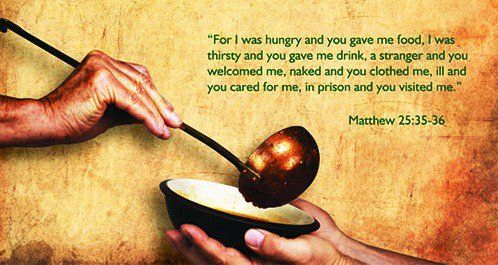
For I was hungry and you gave me food, I was thirsty, and you gave me something to drink, I was a stranger, and you welcomed me, I was naked, and you gave me clothing, I was sick, and you took care of me, I was in prison, and you visited me.
Matthew 25:35–40:35
To help you reflect, there’s a fun quiz designed to explore how you approach the new year. These questions encourage you to think deeply and focus on themes like mindfulness, organization, and meaningful engagement, making your reflection more insightful and personally rewarding.
New Year Reflection Quiz
1. How do I typically respond to stress in my daily life?
a) I face it head-on.
b) I avoid it until it becomes overwhelming.
c) I seek support from others.
2 .In what ways do I prioritize connection with others?
a) I actively reach out to friends and family.
b) I often withdraw into my own world.
c) I make plans but frequently cancel them.
3. How do I approach my personal goals for the year?
a) I create a detailed plan.
b) I set vague aspirations.
c) I don’t think about them much.
4. What do I notice about my ability to find joy in day-to-day activities?
a) I celebrate small moments regularly.
b) I struggle to feel joy in the mundane.
c) I sometimes notice joy, but it often feels fleeting.
5. How do I plan my day-to-day activities?
a) I have a structured schedule.
b) I go with the flow.
c) I make loose plans that often change.
6. What feelings do I associate with my current work-life balance?
a) Fulfilled and balanced.
b) Burned out and overwhelmed.
c) I don’t reflect on it much.
7. How often do I reflect on my personal values?
a) Regularly, they guide my decisions.
b) Rarely, they feel abstract.
c) I think about them when convenient.
8. How do I react to new opportunities that come my way?
a) I embrace them with enthusiasm.
b) I hesitate and often avoid them.
c) I consider them, but rarely act.
9. To what extent do I practice self-care?
a) I have a routine that nurtures me.
b) I often neglect my needs.
c) I sometimes consider it but forget to act.
10. How do I deal with feelings of fear or anxiety?
a) I confront them directly.
b) I distract myself or avoid the emotions.
c) I share them with someone I trust.
11. How meaningful do I find my interactions with others?
a) Deep and enriching.
b) Superficial and fleeting.
c) Occasional bursts of meaning.
12. What strategies do I implement to organize my week?
a) I use a planner and set intentions.
b) I keep it all in my head.
c) I let plans unfold naturally.
13. How do I celebrate my accomplishments, big or small?
a) I acknowledge and celebrate them.
b) I often downplay my achievements.
c) I seldom take the time to recognize them.
14. What role does gratitude play in my life?
a) It’s a daily practice for me.
b) I feel grateful but don’t express it.
c) I rarely think about gratitude.
15. How do I envision the year ahead?
a) Full of opportunities and growth.
b) Uncertain and potentially daunting.
c) I am unsure but hopeful.
Reflection Answers
1. (b) I avoid it until it becomes overwhelming.
Recognizing this pattern is the first step toward healthy coping strategies.
2. (b) I often withdraw into my own world.
Consider ways to reach out and foster connections; connection can alleviate stress.
3. (b) I set vague aspirations.
Specific goals lead to clearer paths; think about structuring your aspirations.
4. (b) I struggle to feel joy in the mundane.
Exploring mindfulness can help rediscover joy in everyday moments.
5 (b) I go with the flow.
A more organized approach might bring more meaning to your days.
6. (b) Burned out and overwhelmed.
It may be time to reevaluate work-life balance and set boundaries.
7. (b) Rarely, they feel abstract.
Reflection on personal values can provide direction in life choices.
8 (b) I hesitate and often avoid them.
Overcoming this fear could open up new avenues for growth.
9. (b) I often neglect my needs.
Prioritizing self-care enhances overall well-being.
10. (b) I distract myself or avoid the emotions.
Facing fears directly can reduce their power over you.
11. (b) Superficial and fleeting.
Seeking deeper conversations could enrich your connections.
12. (b) I keep it all in my head.
Putting plans on paper can increase your sense of organization and control.
13. (b) I often downplay my achievements.
Celebrating successes nurtures self-worth and motivation.
14. (b) I feel grateful but don’t express it.
Expressing gratitude enhances relationships and fosters positive feelings.
15. (b) Uncertain and potentially daunting.
Embracing uncertainty can also open doors to new experiences.
As the new year begins, it provides a perfect opportunity for each individual to reflect on their journey and commit to a more mindful and connected approach to life. Remember, small steps towards meaningful changes can lead to profound growth. Here’s to a transformative year ahead!