Christmas Newsletter: Embracing the “Present” to Find Happiness
Dr. Rick Petronella
As the holiday season nears, many reflect on what happiness really means, especially regarding the common but often mistaken “When/Then” mentality. This mindset implies that genuine happiness is only possible once certain milestones are achieved, such as securing a dream job, reaching financial goals, or fulfilling personal desires like marriage or parenthood. Sadly, holding this belief can negatively impact both personal well-being and relationships with loved ones.

The “When/Then” illusion can make us overlook the truly important connections that bring joy to our lives. It’s easy to get so caught up in chasing external achievements that we forget to nurture our relationships with family and friends. This can leave us feeling lonely and unfulfilled, as we often prioritize future goals over appreciating the present moment. Research shows that this cycle can lead to ongoing dissatisfaction—once we reach one goal, we’re quick to set another, which can create a feeling that happiness is always just out of reach. Remember, finding a balance between striving and savoring can make a big difference in our overall happiness.
The Christmas season provides a special opportunity to break free from this cycle. It’s a wonderful time to start embracing happiness today instead of waiting for future achievements. By recognizing and celebrating the many blessings around us right now, we can foster a deeper joy. Faith, especially the comforting assurance that our needs will be met— regardless of our circumstances.
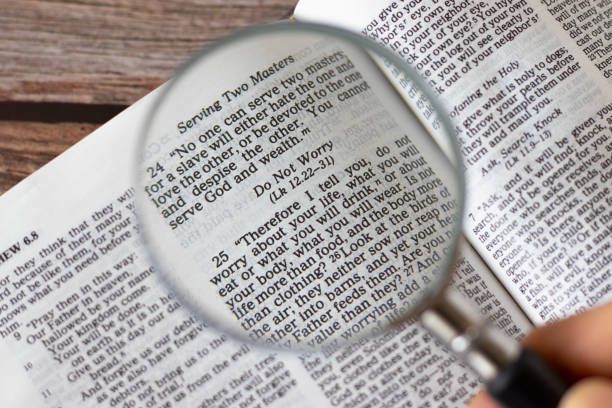
Do Not Worry
25 “Therefore I tell you, do not worry about your life, what you will eat or drink; or about your body, what you will wear. Is not life more than food, and the body more than clothes? 26 Look at the birds of the air; they do not sow or reap or store away in barns, and yet your heavenly Father feeds them. Are you not much more valuable than they? 27 Can any one of you by worrying add a single hour to your life[a]? Matthew 6:25-34
This Christmas, people can choose to reject the conditional notion of happiness and instead celebrate the joys that are readily available. Simple acts of gratitude, serving others, and cherishing meaningful relationships can significantly enhance one’s emotional well-being.
Among the many ways to embrace this Christmas spirit, consider the following suggestions, which aim to foster joy and connection during the holiday season:
1. Remove Self-Imposed Pressure. Everyone deserves to feel at ease during the holidays. Instead of stressing over every tradition or expectation, focus on what truly matters—spending quality time with loved ones and embracing the true spirit of Christmas. This simple shift can help create a warmer, more joyful atmosphere for everyone.
2. Choose Joyful Traditions: Engaging in holiday traditions should bring delight rather than stress. Families may opt for simpler activities that resonate with them and reflect the season’s spirit, allowing for more quality time together.
3. Invest in Relationships: Setting aside intentional time for one’s spouse or family during the holiday season can strengthen bonds. Date nights, shared activities, and moments of togetherness can reinforce love and connection.
4. Serve the Community: Participating in acts of service can foster a sense of purpose and connection. Families can work together on charitable projects, feeding the poor, enhancing the holiday spirit while making a real difference in their communities.
5. Simplify Gift-Giving: Rather than drowning in the pressure of excessive gift-giving, families might opt for a more meaningful approach. By focusing on a few thoughtful gifts instead of a plethora of presents, the true essence of giving and love can be celebrated.

As the holiday lights shine and warmth fills the air, may this season encourage a shift from the “When/Then” mindset to one of embracing the “Now.” In doing so, we can discover that genuine happiness is not contingent upon future achievements; it resides in acknowledging and appreciating the present moment and its many blessings.
Warm wishes are extended for a joyful and fulfilling Christmas season, filled with promise, joy, and togetherness.
Warmly,
Dr Rick
“For to us a child is born, to us a son is given, and the government will be on his shoulders… Wonderful Counselor, Mighty God, Everlasting Father, Prince of Peace.” Isaiah 9:6

Quiz
Reflecting on Happiness
1. The “When/Then” illusion suggests that happiness is:
A) Always accessible in the present
B) Conditional upon future achievements
C) Irrelevant to personal goals
D) A myth created by society
2. When individuals focus too much on future goals, they often:
A) Experience greater satisfaction
B) Strengthen their relationships
C) Overlook present blessings
D) Find instant joy
3. Focusing on nurturing relationships can lead to:
A) Feelings of isolation
B) A deeper sense of fulfillment
C) A higher number of achievements
D) Lost opportunities for success
4. Achieving one goal often leads to the pursuit of another goal. True or False:
5. The practice of gratitude is linked to:
A) Increased unhappiness
B) A deeper appreciation for life
C) Inability to set future goals
D) Indifference to relationships
6. Christmas serves as a reminder that happiness:
A) Is achieved only through material possessions
B) Is best found in future planning
C) Can be accessed in the present moment
D) Requires constant achievement for validation
7. Individuals engaged in “When/Then” thinking often feel:
A) Completely satisfied with life
B) A sense of inadequacy
C) Fulfilled without conditions
D) A deep connection to family and friends
8. Psychological research supports the notion that waiting for happiness typically results in unattainable goals. True or False:
9. Shifting focus from future milestones to present experiences can result in:
A) Increased anxiety
B) A richer appreciation of life
C) Decreased motivation
D) Longer-term planning
10. Embracing moments of joy during the holiday season is essential for:
A) Celebrating achievements
B) Building relationships and community
C) Attaining personal success
D) Waiting for future happiness
11. Relationships in life should be viewed as:
A) A means to an end
B) A part of the journey toward happiness
C) Secondary to personal achievements
D) Solely dependent on external acknowledgments
12. Happiness is only achievable once one has hit certain life milestones. True or False
13. The concept of “Now” emphasizes:
A) Planning for the future
B) Living in the moment
C) Regretting past decisions
D) Wanting more from life
14. Matthew 6:25-34 teaches that life is more than its:
A) Spiritual aspects
B) Material facets
C) Relationship dynamics
D) Professional endeavors
15. Recognizing existing blessings can foster:
A) Constant stress
B) An optimistic outlook on life
C) A sense of dependency on others
D) Greater demand for success
These questions aim to prompt thoughtful self-reflection among readers as they explore the nature of happiness during the Christmas season.
Quiz Answers: Reflecting on Happiness
1. The “When/Then” illusion suggests that happiness is:
B) Conditional upon future achievements
This illusion leads individuals to believe that their happiness is contingent on reaching certain milestones.
2. When individuals focus too much on future goals, they often:
C) Overlook present blessings
This preoccupation with future aspirations can blind individuals to the beauty and joy of their current experiences.
3. Focusing on nurturing relationships can lead to:
B) A deeper sense of fulfillment
Strong connections with others are vital for emotional well-being and happiness.
4. Achieving one goal often leads to the pursuit of another goal. True or False:
True
This reflects the cycle of perpetual striving, where satisfaction lasts only until the next goal emerges.
5. The practice of gratitude is linked to:
B) A deeper appreciation for life
Research shows that expressing gratitude can enhance overall life satisfaction.
6. Christmas serves as a reminder that happiness:
C) Can be accessed in the present moment
The holiday season encourages individuals to appreciate their current blessings rather than focusing solely on future aspirations.
7. Individuals engaged in “When/Then” thinking often feel:
B) A sense of inadequacy
This mindset fosters feelings of dissatisfaction as people always look ahead to what they believe will bring fulfillment.
8. Psychological research supports the notion that waiting for happiness typically results in unattainable goals. True or False:
True
Evidence suggests that this mindset often leads to a cycle of chasing goals without ever finding true satisfaction.
9. Shifting focus from future milestones to present experiences can result in:
B) A richer appreciation of life
This perspective encourages individuals to enjoy life as it unfolds, rather than postponing joy.
10. Embracing moments of joy during the holiday season is essential for:
B) Building relationships and community
The spirit of the season emphasizes connection and shared experiences over individual achievements.
11. Relationships in life should be viewed as:
B) A part of the journey toward happiness
Valuing relationships as integral to well-being helps individuals cultivate deeper connections.
12. Happiness is only achievable once one has hit certain life milestones. True or False:
False
Happiness is not solely tied to achievements, but can be found in everyday moments and connections.
13. The concept of “Now” emphasizes:
B) Living in the moment
This concept invites individuals to savor life as it happens rather than being consumed by the past or future.
14. Matthew 6:25-34 teaches that life is more than its:
B) Material facets
This biblical passage encourages individuals to find value beyond material success, focusing instead on spiritual and relational fulfillment.
15. Recognizing existing blessings can foster:
B) An optimistic outlook on life
Developing a mindset of gratitude helps individuals see the positives in their current circumstances and contributes to overall happiness.
Through engaging with these questions and their answers, readers may deepen their understanding of the nature of happiness, especially during the reflective Christmas season.